


The causes of hair loss are numerous and include genetic factors (androgenetic alopecia), physical and psychological stress, hormonal imbalances, nutritional deficiencies (iron, zinc), diseases (thyroid, autoimmune), and the use of certain medications.
Lifestyle choices, such as drastic diets, smoking, and alcohol abuse, can also contribute to hair loss.
In some cases, hair loss is seasonal or related to aggressive hair treatments.
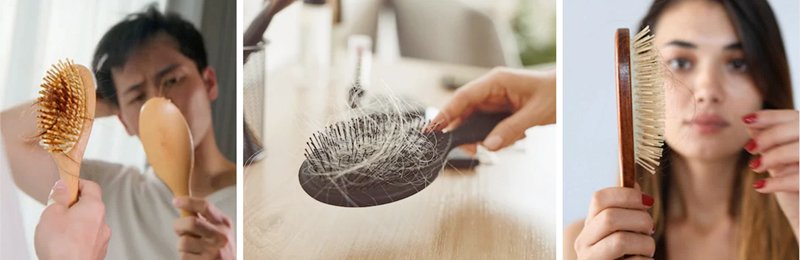
Main Causes
Genetic and Hormonal Predisposition:
Androgenetic alopecia is the most common cause, linked to hereditary factors and the action of androgen hormones on hair follicles.
Also known as common baldness, it is the most widespread form of hair loss, caused by genetic predisposition and the action of androgen hormones.
It manifests as a progressive thinning of the hair and a reduction in their thickness and quantity, and can be delayed or slowed down through specific treatments.
Hair loss can occur in both men and women, often starting from puberty, and can have a significant psychological impact.
Causes of Hair Loss
Genetic Predisposition:
The main cause is heredity, related to the sensitivity of hair follicles to androgen hormones.
Androgen Hormones:
High production of androgens, such as testosterone and dihydrotestosterone (DHT), or excessive sensitivity to these hormones, leads to a process of miniaturization of the follicles.
Physical Stress and Shock:
Stressful events such as surgeries, high fever, major illnesses, or pregnancies can cause a temporary increase in hair loss, usually manifesting a few months after the event.
Chronic psychological stress can also have an impact.
Hormonal Imbalances:
Conditions such as thyroid problems, polycystic ovary syndrome (PCOS), or hormonal changes related to menopause or pregnancy can affect hair health.
Nutritional Deficiencies:
A poor diet can lead to deficiencies in essential nutrients such as iron and zinc, compromising hair growth.
Diseases:
Various health issues, including autoimmune diseases (lupus, alopecia areata) and scalp conditions (such as seborrheic dermatitis or psoriasis), can be at the root of hair loss.
Medications:
The intake of certain medications can have hair loss as a side effect.
Lifestyle:
Bad habits such as smoking, alcohol abuse, and extreme diets can negatively affect hair health.
Environmental Factors and Treatments:
Exposure to UV rays, aggressive chemical treatments (such as unsuitable dyes), or physical damage to the hair can harm the follicles.
What to Do to Combat Hair Loss
-
If significant and persistent hair loss is noticed, it is advisable to start treatment/care immediately with products such as specific dietary supplements, as well as the use of shampoos, lotions, and oils that provide general supportive action.
-
If hair loss persists, it is advisable to consult a doctor or dermatologist for an accurate diagnosis and to rule out diseases.
-
It is important to have a balanced diet rich in vitamins and minerals.
-
Avoid overly aggressive hair treatments.
-
-
The use of Hair Rebirth strong products allows for the complete halt or significant slowing of hair loss and promotes regrowth, making them strong, healthy, and beautiful: thousands of people around the world successfully use Hair Rebirth strong products against hair loss.